


What Is Tooth Extraction? How Is a Tooth Extracted? How Long Does Tooth Extraction Take?
Tooth extraction is the removal of teeth that negatively affect oral health, cannot be saved, or threaten the health of other teeth, using surgical or simple methods. It is usually performed due to decay, trauma, infection, or excessive teeth grinding.
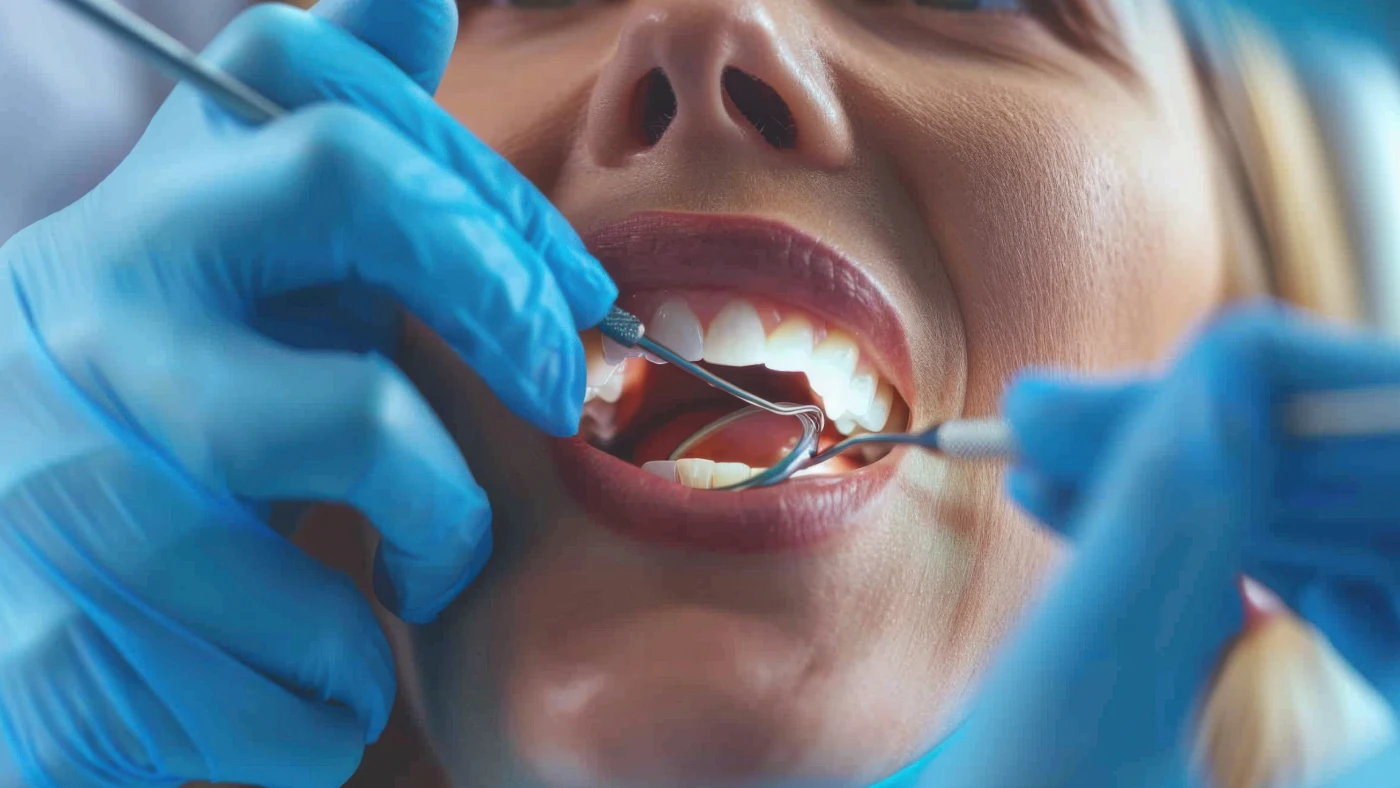
During a tooth extraction, local anesthesia is applied to numb the area around the tooth. The dentist then uses special instruments to loosen the tooth. Once the tooth is loosened, it is carefully removed. After the extraction, a gauze pad is placed on the extraction site to control bleeding. The healing process begins after this stage, and it is very important for the patient to maintain proper oral care. Pain may occur after tooth extraction, and in such cases pain relievers recommended by the dentist can be used.
How Long Does a Tooth Extraction Take?
The duration of a tooth extraction may vary depending on the condition of the tooth and the type of tooth being removed. A simple extraction is usually completed within 20 to 30 minutes. However, an impacted or more complex extraction may take longer and can last up to approximately 45 minutes. In more challenging cases such as molar extraction or wisdom tooth extraction, the procedure may take more time.
Depending on the condition of the tooth and surrounding tissues, different steps may be required during the procedure. Since local anesthesia is applied during tooth extraction, feeling pain during the procedure is very rare. After the tooth is removed, pain, swelling, and discomfort may continue for a few days, and patients should follow the pain relief and care instructions recommended by their dentist.
What Is Molar Tooth Extraction?
Molar tooth extraction refers to the removal of large molar teeth, usually due to infection, severe decay, or orthodontic treatment needs. Molars are large teeth located at the back of the mouth and play an important role in chewing. However, these teeth may become damaged due to decay, infection, or gum problems and may need to be extracted.
Since molars are usually large and have deep roots, the extraction procedure may be more complex compared to other teeth. For this reason, molar extraction may sometimes take longer and be more challenging. Pain, swelling, or discomfort that may occur after extraction can be managed with pain relievers recommended by the dentist, and swelling can be reduced by applying a cold compress.
What Is Wisdom Tooth Extraction?
Wisdom tooth extraction is the surgical removal of third molars that often cannot find enough space in the jaw or erupt in an incorrect position. These teeth usually begin to emerge between the ages of 17 and 25 and may cause various problems for many people.
Wisdom teeth may need to be removed when they remain impacted, press against other teeth, or cause infection. Impacted teeth can lead to painful inflammation or structural problems in the jaw. The extraction of these teeth generally requires a surgical procedure and is performed under local anesthesia.
During the procedure, the surgeon carefully removes the tooth to avoid damaging surrounding tissues, sometimes by dividing the tooth into smaller pieces. Pain and swelling may occur for a few days after the extraction; this is normal and can usually be controlled with pain medication recommended by the dentist. Gargling with salt water during the healing process is important to prevent infection. Maintaining proper oral hygiene and consuming soft foods also helps speed up recovery.
Is Tooth Extraction Difficult?
The difficulty of tooth extraction can vary depending on the position of the tooth, the root structure, and the patient's overall oral health. A simple extraction is generally easy and completed quickly, usually within 20 to 30 minutes. However, teeth with deep or curved roots—especially molars and impacted teeth—may be more challenging and sometimes require surgical intervention.
Impacted wisdom teeth extractions are often considered more complex procedures because the tooth may not have enough space in the jaw or may grow at an incorrect angle. In such cases, it may be necessary to cut the gum tissue and remove the tooth in smaller pieces. The dentist informs the patient before the procedure, applies local anesthesia, and takes the necessary precautions to perform the extraction safely.
Does Tooth Extraction Hurt?
Tooth extraction generally does not cause pain during the procedure because the dentist applies local anesthesia beforehand to completely numb the area. Thanks to this anesthesia, the patient does not feel pain or discomfort while the tooth is being removed. However, once the numbness wears off after the extraction, mild pain, soreness, or discomfort may occur in the extraction area.
This pain usually lasts for a few days and can be controlled with painkillers recommended by the dentist. Swelling and sensitivity around the extraction site are also common after tooth removal. These symptoms are considered normal and are part of the healing process. Paying attention to oral care after extraction helps minimize pain and swelling. Gargling with salt water as advised by the dentist, maintaining oral hygiene, and applying cold compresses to the extraction area at regular intervals can help reduce swelling. Consuming soft foods and avoiding very hot or cold drinks during the healing period can also help relieve discomfort.
Does Wisdom Tooth Extraction Hurt?
Wisdom tooth extraction can be more complex and sometimes more uncomfortable compared to other tooth extractions, depending on the position of the tooth in the jaw and how it erupts. Impacted or incorrectly angled wisdom teeth may put pressure on surrounding tissues and may require surgical removal. However, since local anesthesia is applied during the procedure, the patient does not feel pain during the extraction itself.
After the extraction, mild pain, swelling, and sensitivity are normal. These symptoms may last for a few days and can usually be managed with pain medication recommended by the dentist. Careful oral hygiene is also very important for faster healing and pain reduction. Gargling regularly with salt water as recommended by the dentist helps reduce the risk of infection and supports faster healing of the extraction site. Applying cold compresses can also help reduce swelling and discomfort. Consuming soft foods and avoiding pressure on the extraction area are also important during the healing period.
Does Extracting a Decayed Tooth Hurt?
Decayed tooth extraction is performed under local anesthesia, so pain is not felt during the procedure. The dentist numbs the tissues around the tooth being removed, ensuring that the patient does not feel discomfort during the extraction. However, once the anesthesia wears off, mild pain, swelling, and sensitivity may occur in the extraction area.
Especially if the tooth has been severely damaged by deep decay, some sensitivity may occur after the extraction. Mild pain for a few days is considered normal and can be controlled with pain relievers recommended by the dentist. Applying cold compresses and being careful while eating can help relieve discomfort. Maintaining good oral hygiene during the healing process also helps reduce the risk of infection.
In Which Situations Is a Tooth Extracted?
Tooth extraction is a treatment method used when the tooth is severely damaged or cannot be saved with other treatment methods. Situations such as deep tooth decay, infections in the tooth root, advanced gum disease, or severe tooth fractures may require extraction. Additionally, during orthodontic treatment, teeth may sometimes be extracted to create space for proper alignment.
In some cases, teeth that harm the jaw structure or place pressure on neighboring teeth may also need to be removed. The dentist evaluates the patient’s dental condition and determines whether extraction is necessary. The dentist also informs the patient about the procedure and explains alternative treatment options when possible.
When Is Tooth Extraction Not Recommended?
Tooth extraction is generally considered a last resort, and other treatment options are evaluated first to save the tooth whenever possible. If the tooth can be preserved, treatments such as root canal therapy, fillings, or crown restorations are preferred. If the tooth can be saved with root canal treatment, extraction is avoided.
Additionally, if the patient’s general health condition is not suitable—such as blood clotting disorders, severe diabetes, or an active infection—extraction may be postponed until the condition is under control. If the bone structure around the tooth is insufficient or the patient’s immune system is at serious risk, alternative treatments may be considered instead of extraction. The dentist always evaluates all options carefully and informs the patient about the most appropriate treatment plan.
What Happens After a Tooth Is Extracted?
After a tooth extraction, a sterile gauze pad is placed on the extraction site. This helps control bleeding and protect the wound. The gauze should remain in place for several hours, and the patient should avoid activities that could disturb the area during this time. Care should also be taken when removing the gauze to avoid restarting bleeding.
In the future, a prosthetic tooth or a dental implant may be placed in the area where the tooth was extracted. Swelling and pain after tooth extraction are common. Applying a cold compress can help reduce swelling, and pain relievers recommended by the dentist can help relieve discomfort. Keeping the extraction area clean is important to reduce the risk of infection, so patients should follow the oral care instructions provided by their dentist.
What Should Be Done After a Tooth Extraction? What Are the Necessary Steps After Tooth Extraction?
After a tooth extraction, certain steps should be followed to accelerate the healing process and reduce the risk of infection. First of all, the gauze placed in the extraction area should not be removed for at least two hours. This helps stop the bleeding and protects the extraction site. During the first 24 hours, extremely hot or cold foods and drinks should be avoided, and hard or crunchy foods should not be consumed. In addition, paying attention to oral hygiene and rinsing gently with salt water helps protect against infection.
To reduce swelling, a cold compress may be applied externally to the extraction area. Smoking and alcohol consumption may negatively affect the healing process, so these habits should be avoided. Soft and lukewarm foods should be preferred during this period. Following the dentist’s instructions carefully after tooth extraction will help speed up recovery.
Are Stitches Placed After Tooth Extraction?
Stitches after tooth extraction are commonly used, especially after impacted tooth removal or surgical extractions. Sutures help the wound heal faster and help control bleeding. In extractions that require surgical procedures, stitches are applied to ensure that the tissues close properly.
The stitches used are generally dissolvable sutures that dissolve within a few weeks. However, in some cases non-dissolvable stitches may be preferred and are removed by the dentist after a few days or weeks. Sutures reduce the risk of infection and protect the wound. Careful oral hygiene around the stitched area, gentle salt-water rinses, and avoiding pressure on the area support the healing process.
How Many Hours Should You Wait Before Eating After Tooth Extraction?
You should not eat for the first 2 hours after tooth extraction. This period is important for stopping the bleeding and allowing a blood clot to begin forming in the extraction area. After the gauze is removed, especially during the first 24 hours, hot, spicy, and hard foods should be avoided. Soft, lukewarm, and easily digestible foods should be preferred. For example, soup, mashed foods, or yogurt may be suitable.
Foods that may damage the extraction site or leave crumbs may apply pressure to the wound and negatively affect the healing process. Eating too soon after extraction may also increase bleeding or delay recovery. Therefore, paying attention to oral care and following the dentist’s recommendations after tooth extraction is very important.
Can You Drink Water After Tooth Extraction? How Long Should You Wait Before Drinking Water?
Drinking lukewarm water immediately after tooth extraction is generally safe, but caution should be taken during the first 2 hours. Extremely cold or hot water may damage the sensitive tissues in the extraction area and delay healing. Drinking water helps maintain oral hygiene and supports the body’s hydration balance. However, acidic and carbonated drinks should definitely be avoided because they may irritate the wound area.
Water helps keep the mouth moist without irritating the extraction site and supports healing. Additionally, careful oral hygiene and following the dentist’s instructions are essential to minimize infection risk during the recovery period. It may also be beneficial not to consume excessive liquids during the first 24 hours because excessive fluid intake may dislodge the clot in the wound area and cause bleeding.
Can You Gargle After Tooth Extraction? Is Salt Water Rinsing Recommended?
Gargling immediately after tooth extraction is not recommended because it may dislodge the clot in the extraction site and increase bleeding. Mouth rinsing and gargling should be avoided during the first 24 hours because the area is very sensitive and repeated bleeding may delay healing. However, after 24 hours, gentle salt-water rinsing may be done according to the dentist’s recommendation.
Salt water acts as a natural antiseptic and helps keep the extraction area clean while reducing the risk of infection. While rinsing, harsh movements should be avoided and the process should be done gently because the extraction site is sensitive. Salt-water rinsing is an effective care method during recovery and helps protect the extraction site from infection. Maintaining oral hygiene during this period is also very important.
Can You Brush Your Teeth After Tooth Extraction? When Should You Brush?
During the first 24 hours after tooth extraction, brushing the teeth near the extraction area is not recommended. During this time, it is very important not to disturb the blood clot and to protect the wound area. However, maintaining oral hygiene supports healing, so other teeth can be brushed carefully.
A soft toothbrush should be used and pressure should not be applied to the extraction site while brushing. After 24 hours, teeth around the extraction area can be brushed gently, but direct contact with the wound should still be avoided. Salt-water rinsing together with brushing is an effective way to maintain oral hygiene. Regular oral care reduces infection risk and accelerates healing.
When Should the Gauze Be Removed After Tooth Extraction?
The gauze placed after tooth extraction should usually remain in place for approximately 30 to 45 minutes. This period is sufficient to control bleeding and allow clot formation to begin. After removing the gauze, the extraction area should be checked carefully to see whether the bleeding has stopped. If bleeding continues, a new gauze may be placed according to the dentist’s advice until the bleeding is controlled.
When removing the gauze, sudden or forceful movements that could increase bleeding should be avoided. Proper use of gauze after extraction is very important for controlling bleeding and ensuring healthy healing of the extraction area.
Why Shouldn’t You Spit After Tooth Extraction?
Spitting after tooth extraction is not recommended because it may dislodge the blood clot that forms in the extraction site.
The clot is critically important for wound healing. If the clot is dislodged, a condition called “alveolitis” or dry socket may develop, causing severe pain and delayed healing. Spitting may also restart bleeding in the extraction area and prolong recovery. Therefore, spitting should be avoided during the first 24 hours after extraction, and mouth rinsing or gargling should also be postponed.
Protecting the extraction area during this period helps stop bleeding and allows the clot to remain stable. Following the dentist’s instructions carefully ensures proper healing.
Should You Swallow Blood After Tooth Extraction?
It is normal for a small amount of blood to accumulate in the mouth after tooth extraction. However, instead of swallowing it, it is generally recommended to gently spit it out. Swallowing blood may cause nausea or stomach discomfort.
Mild bleeding may continue for several hours after extraction. During this time the mouth should be cleared gently. Excessive spitting should be avoided because it may dislodge the clot and cause further bleeding. If bleeding does not stop, a dentist should be consulted.
Can You Drink Tea After Tooth Extraction?
Hot beverages, especially tea, should be avoided during the first 24 hours after tooth extraction. Hot drinks may disrupt the blood clot and cause bleeding to restart. They may also irritate the wound area and delay healing.
If tea is consumed, it should be lukewarm or cold. Unsweetened tea may support oral health due to its antioxidant properties, but caution should still be taken on the first day. During recovery, lukewarm water and liquids recommended by the dentist should be preferred.
What Happens If Alcohol Is Consumed After Tooth Extraction?
Drinking alcohol after tooth extraction may negatively affect the healing process. Alcohol can dilate blood vessels and increase bleeding in the extraction area. It may also reduce the effectiveness of painkillers and antibiotics, delaying healing and increasing infection risk.
Dentists usually recommend avoiding alcohol for at least 24 to 48 hours after extraction. In many cases, avoiding alcohol until full recovery is advised to reduce infection and bleeding risks.