



Inlay Onlay Overlay Fillings
Inlay, Onlay, Overlay Fillings
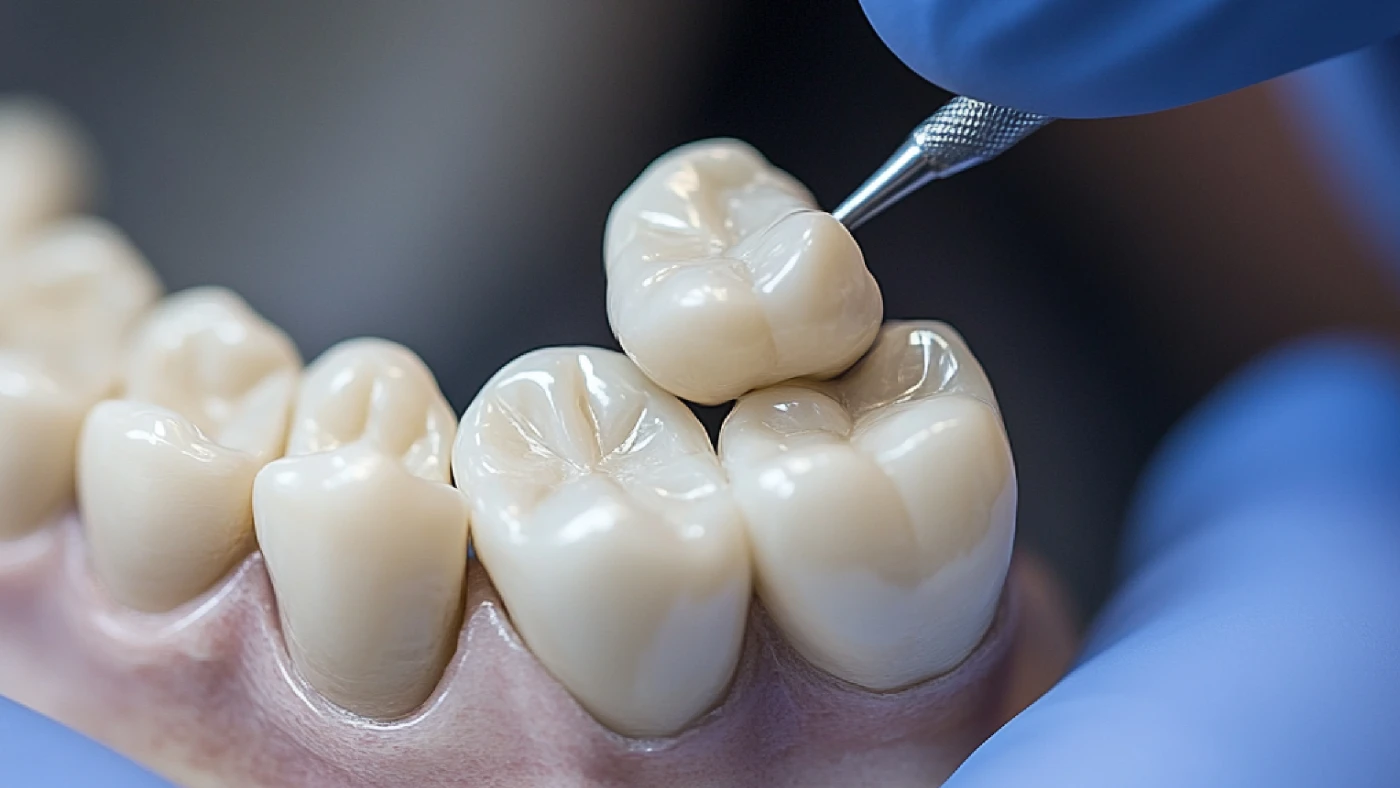
These porcelain fillings, which have the same hardness as the tooth, prevent fractures caused by biting forces and ensure the tooth remains as healthy as before.
Is it Aesthetic?
Molars, which perform most of the chewing function, are exposed to more pressure and require a more durable material compared to front teeth. Previously, the most common filling material was silver amalgam, used in the back teeth. These fillings actually consist of mercury, silver, and other metal alloys. However, they do not meet aesthetic standards due to their appearance.
Should I Choose This?
Filling treatments may be necessary for teeth in the front region due to material loss. Porcelain fillings are an advanced method designed to protect healthy tooth tissue in cases where there is significant material loss, and the tooth requires a crown. They are preferred over amalgam fillings due to their aesthetics and functionality.
Is it Healthy?
This porcelain filling, which is the same hardness as the tooth, prevents fractures caused by biting forces and ensures the tooth remains as healthy as before.
Since it is the same color as the tooth, the filling is so natural that it cannot be distinguished by the naked eye.
How is it Done?
If there is significant material loss in the tooth, a filling becomes unavoidable. It is usually applied to the back molars. Tooth fillings are both aesthetic and resistant to chewing pressures, making them a reliable long-term treatment method. The main rule when placing a filling is to prepare a good cavity and try to restore the tooth to its natural shape before decay. The type of filling used depends on the tooth's position and function.
How Long Does it Last?
In the first session, the dimensions of the cavities prepared without any abrasion on the healthy tooth tissue, except for the decayed areas, are sent to the laboratory. There, a porcelain filling is created to restore the missing structure of the tooth, which is then bonded to the patient's tooth in the second session.