



What Is a Complicated Tooth Extraction? How Is a Complicated Tooth Extraction Performed?
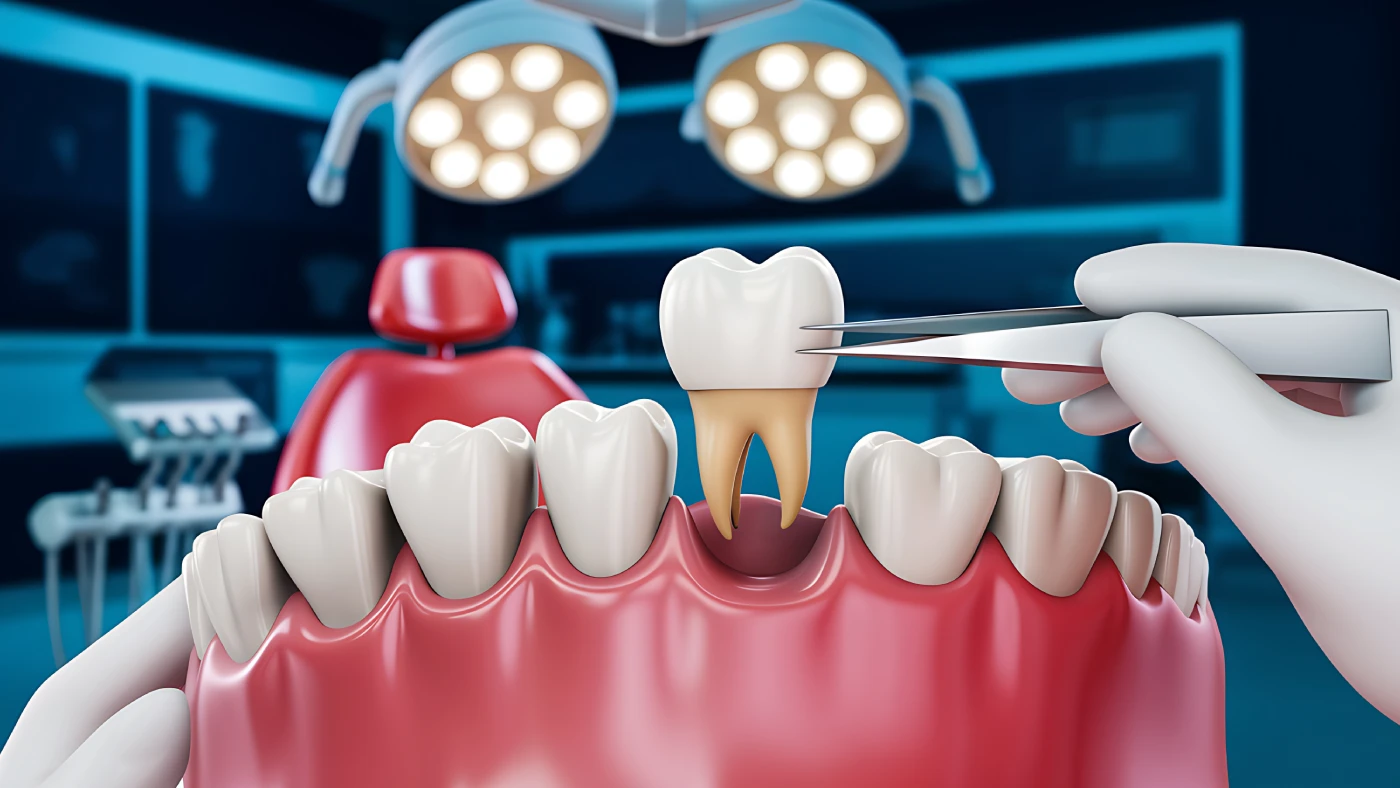
A complicated tooth extraction refers to a procedure performed when a tooth cannot be removed using standard methods. This type of extraction is usually carried out because of difficulties such as structural abnormalities of the tooth, curved roots, or impacted teeth. In such cases, dentists use methods that require more intervention than a standard tooth extraction. A complicated tooth extraction is also referred to by the medical term “extraction.” During this process, the condition of the tooth is first evaluated with X-rays, and surgical techniques may then be used.
A complicated tooth extraction aims to remove the tooth without damaging the surrounding bone tissue. In some cases, the tooth may need to be sectioned or the surrounding bone tissue may need to be trimmed in order to remove the roots properly. This procedure becomes even more complex when there are issues such as infection or a cyst around the tooth roots. For this reason, the expertise of the dentist and careful planning are of great importance.
How Is a Complicated Tooth Extraction Performed?
A complicated tooth extraction is performed using surgical techniques when the tooth is difficult to remove. As a first step, the dentist takes an X-ray to determine the exact position of the tooth and the condition of its roots. Factors such as the tooth being impacted or having curved or spread roots can make the extraction more difficult. During the procedure, local anesthesia is used, and the gum tissue around the tooth is carefully opened to access the root. If necessary, the tooth is removed in sections.
During this procedure, special surgical instruments are used to reduce pressure on the bone tissue and make tooth removal easier. After the extraction, antibiotic treatment may be prescribed for areas at risk of infection, and the healing process should be monitored carefully. Mild pain or swelling lasting a few days is normal after surgical extractions.
Is There Pain During a Complicated Tooth Extraction?
Since a complicated tooth extraction is generally performed under local anesthesia, no pain is usually felt during the procedure. However, after the anesthesia wears off, mild pain and swelling may occur following surgical extractions. This type of discomfort can usually be controlled with prescribed pain relief medication. Pain after extraction may vary depending on how difficult the removal was and the extent of intervention performed on the surrounding tissues. Surgical procedures involving the tooth roots and bone tissue may cause some discomfort during the healing process.
For pain control, it is important to use painkillers regularly after tooth extraction and to keep the area clean. In addition, to prevent infection after a complicated extraction, the patient should be careful and follow the care instructions provided by the dentist. In cases where there is a risk of infection, antibiotic treatment may also be prescribed.
Prices
How Long Does Pain Last After a Complicated Tooth Extraction?
Pain after a complicated tooth extraction usually lasts between 1 and 3 days. However, the duration of pain may vary depending on the level of difficulty of the extraction. Mild pain and sensitivity are normal during the first few days. In most cases, this discomfort can be controlled with painkillers recommended by the doctor. Swelling and mild bruising may also occur, and these symptoms usually decrease within a few days. Keeping the area clean and applying a cold compress during recovery can help reduce the severity of the pain.
If the pain continues beyond 3–4 days or becomes more severe, this may be a sign of infection and another dental evaluation may be necessary. Prolonged pain after a complicated tooth extraction may indicate healing problems or a risk of infection in the extraction area.
Is a Complicated Tooth Extraction Difficult or Easy?
A complicated tooth extraction is generally considered difficult because it is performed when the tooth cannot be removed through standard methods. Surgical intervention may be required when the tooth is impacted, has curved roots, or must be removed without damaging the surrounding bone tissue. For this reason, a complicated tooth extraction is usually more complex and may take longer than a routine tooth extraction. Methods such as sectioning the tooth or trimming surrounding bone tissue with surgical instruments can increase the difficulty of the procedure.
However, an experienced dentist or oral surgeon can manage the process in a way that causes the patient as little discomfort as possible. Thanks to the anesthesia used, the patient does not feel pain during the procedure. Paying attention to aftercare and the healing process helps ensure that recovery is smoother and easier.
Things to Consider Before a Complicated Tooth Extraction
Before a complicated tooth extraction, certain preparations should be made and some important points should be considered. First, the condition of the tooth and the structure of its roots are evaluated through a detailed examination by the dentist. Taking X-rays is very important in determining which methods will be used during the extraction. If the patient has any health problems—especially heart disease, the use of blood thinners, or any condition that carries a risk of infection—this information should be shared with the dentist.
Before the procedure, the patient should receive information about any medications to be taken or preparations to be made according to the doctor’s recommendations and follow those instructions carefully. Smoking and alcohol consumption should be avoided before the extraction, and if possible, the patient should try not to eat before the procedure. All preparations should be completed in line with the dentist’s instructions.
Things to Consider After a Complicated Tooth Extraction
After a complicated tooth extraction, there are some important points to pay attention to in order to ensure a smooth recovery. First, taking the painkillers and antibiotics recommended by the dentist regularly helps reduce the risk of infection and keeps pain under control. If there is bleeding in the extraction area, light pressure can be applied with gauze to help stop it. In addition, applying a cold compress to the area during the first 24 hours can help reduce swelling and pain. Avoiding hard, hot, and spicy foods during the first few days after the extraction is important to protect the wound area.
Smoking and alcohol consumption can also negatively affect wound healing, so avoiding these habits is recommended. Paying attention to oral hygiene is important, but the extraction area should be avoided while brushing. Gently rinsing with salt water may help reduce the risk of infection. If unexpected symptoms such as severe pain, bad odor, or swelling occur in the extraction area, the dentist should be contacted immediately.
How Much Does a Complicated Tooth Extraction Cost?
The cost of a complicated tooth extraction may vary depending on the difficulty of the extraction, the experience of the dentist, and the location of the clinic. Unlike simple extractions, complicated cases may require additional procedures and surgical intervention, which can make the cost higher. Factors such as the surgical equipment used during the extraction, the type of anesthesia, and the position of the tooth also affect the price. Situations such as adding bone graft material or removing the tooth in sections may further increase the cost.
In this type of extraction, prices are generally higher than for simple tooth extractions, but your dentist will provide you with clear information on this matter. During the consultation before the procedure, it is possible to receive detailed information about both the procedure and the associated costs. Since every dental clinic and dentist has their own pricing policy, it is difficult to provide an average price range, but in some clinics the cost may amount to several thousand Turkish lira.
Which Department Handles Complicated Tooth Extractions?
A complicated tooth extraction generally falls under the surgical specialty area of dentistry. The department responsible for performing these difficult and complex tooth extractions is known as Oral and Maxillofacial Surgery. While simple tooth extractions can be performed by general dentists, complicated cases such as impacted teeth, teeth with curved roots, or teeth that must be removed without damaging the bone structure are treated by oral and maxillofacial surgeons. In tooth extractions requiring surgical intervention, the condition of the tooth is evaluated using X-rays and other imaging methods, and an appropriate surgical plan is created.
In this department, tooth extraction is performed not only according to the condition of the tooth but also by considering its effects on the jaw structure. If a complicated tooth extraction is required, your dentist may refer you to a specialist in this department.
What Are the Signs That Indicate a Complicated Tooth Extraction Is Needed?
A complicated tooth extraction is performed in cases where the tooth cannot be removed normally and additional surgical intervention is required. The main situations that require this type of extraction include:
- Impacted Teeth: This condition, which is especially common in wisdom teeth, occurs when the tooth does not fully erupt and remains within the jawbone or under the gum tissue. The removal of impacted teeth generally requires a complicated extraction.
- Curved or Crooked Roots: If the roots of the tooth are curved or positioned abnormally, a simple tooth extraction becomes more difficult and surgical intervention may be necessary.
- Broken Teeth: During the removal of teeth broken due to decay or trauma, root fragments may remain in the jawbone, which can lead to complications and require special surgical techniques.
- Fusion of Tooth Roots to the Jawbone (Ankylosis): In this case, the tooth root becomes fused with the jawbone, making extraction more difficult. The tooth must then be removed carefully through surgical intervention.
- Severe Infection or Abscess: Serious infections around the tooth, as well as conditions such as apical cysts or abscesses, may also require a complicated tooth extraction.
- Proximity to Nerves: If the tooth is located very close to nerve tissue, a more delicate extraction process is required in order to avoid nerve damage.
If one or more of these signs are present, the dentist may plan a complicated tooth extraction and proceed with surgical intervention after a detailed pre-operative evaluation.
When Should a Complicated Tooth Extraction Be Performed?
A complicated tooth extraction is performed in cases where the tooth cannot be removed through normal methods and may lead to serious problems. This type of extraction is generally required for impacted teeth, broken teeth, or teeth with damaged root structures. In particular, impacted wisdom teeth, severe tooth decay, or infection around the tooth are common reasons for choosing a complicated tooth extraction. If the tooth is very close to nerves or other critical tissues and cannot be removed by conventional methods, a more invasive extraction technique is used. Dentists evaluate the condition of the tooth through X-rays and other imaging techniques and decide whether a complicated extraction is necessary.
If the extraction is delayed or the infection progresses, damage may occur in the surrounding teeth and gum tissues. For this reason, it is important to consult a dentist without delay when extraction is required. Complicated tooth extractions are especially performed to prevent the spread of infection or to avoid serious damage to the gums and jawbone. Starting the treatment process on time helps speed up recovery and prevent further complications.
Are There Any Risks or Harms Associated with a Complicated Tooth Extraction?
As with any tooth extraction, there may be certain risks and complications associated with a complicated tooth extraction. However, these risks are generally assessed in advance by the dentist and efforts are made to minimize them. During a complicated extraction, the risk of damage to the surrounding tissues may increase, which can cause complications such as bleeding, swelling, or infection. In particular, teeth located close to nerves carry a risk of nerve damage, which may result in temporary or permanent numbness. However, such cases are quite rare.
Another issue that may arise with a complicated tooth extraction is that the healing process after the procedure may be longer and more demanding. Failure to follow proper hygiene rules after the extraction may increase the risk of infection. Swelling, pain, or bleeding in the gums may occur during recovery. However, these conditions usually resolve in a short time, and with proper care, complications can be kept to a minimum. Following the medications and care instructions recommended by the dentist after the extraction can help prevent such complications.
Recovery Time After a Complicated Tooth Extraction
The recovery time after a complicated tooth extraction may be somewhat longer than with a standard tooth extraction. However, how the recovery process goes and how long it lasts depends on factors such as the patient’s general health condition and the level of difficulty of the extraction. Factors affecting the healing process include:
- Tooth Structure: The extraction of impacted teeth or teeth with damaged root structures may prolong the healing process.
- Risk of Infection: If an infection develops in the gum after the extraction, the recovery process may be longer and more difficult.
- Oral Hygiene: Paying attention to oral hygiene during recovery is very important. Regular rinsing with salt water can help prevent infections.
- Medication Use: Regular use of the antibiotics and painkillers prescribed by the dentist helps speed up recovery.
In general, swelling and pain may occur during the first few days. However, these symptoms gradually decrease, and significant improvement is usually seen by the end of the first week. Complete healing may take between 2 and 4 weeks.
Things to Consider During the Recovery Process
- Pain Control: Pain during the first few days after tooth extraction is normal. The painkillers recommended by the dentist should be taken regularly.
- Swelling: Applying a cold compress may help reduce swelling. Cold applications are recommended during the first 24 hours.
- Diet: During the first few days after extraction, soft and cold foods should be consumed. Hot, hard, or spicy foods should be avoided.
- Hygiene: Paying attention to oral hygiene during the recovery process helps prevent infection. However, brushing should be avoided during the first 24 hours, and a gentle salt water rinse may be used instead.
Booking a Complicated Tooth Extraction Appointment. How Is a Complicated Tooth Extraction Appointment Made?
Because a complicated tooth extraction differs from a simple tooth extraction, it usually requires the intervention of a specialist dentist or an oral surgeon. For this reason, the appointment process may be slightly different from other dental procedures. If you want to book an appointment for a complicated tooth extraction, you can follow these steps:
- Consult a Dentist or Oral Surgeon: As a first step, you need to consult a dentist or an oral surgeon. Your dentist may refer you to an oral surgeon, or you may book an appointment directly with one.
- X-ray and Examination: A panoramic X-ray is usually taken to examine the structure of the tooth to be extracted. An evaluation is then made by taking into account factors such as the condition of the tooth, the surrounding tissues, and the position of the nerves.
- Treatment Planning: After the examination, the dentist creates a treatment plan tailored to your case and determines a suitable date for the procedure.
Things to Consider When Booking an Appointment
- Which Department to Book With: For tooth extraction, an appointment is usually made with a dentist. However, in complicated cases, an oral and maxillofacial surgery specialist becomes involved. Therefore, it is important to book an appointment with the correct specialty.
- Planning After the Examination: After the initial examination determines the condition of the tooth and whether extraction is necessary, a second appointment is generally scheduled for the procedure itself. The examination day and the treatment day may be different, so it is important to get information about the process.
When booking your appointment, you should explain your problem clearly and provide detailed information to your dentist. This helps ensure a faster and more appropriate appointment process.