



What is Laminate Veneer? How is Leaf Veneer Applied?
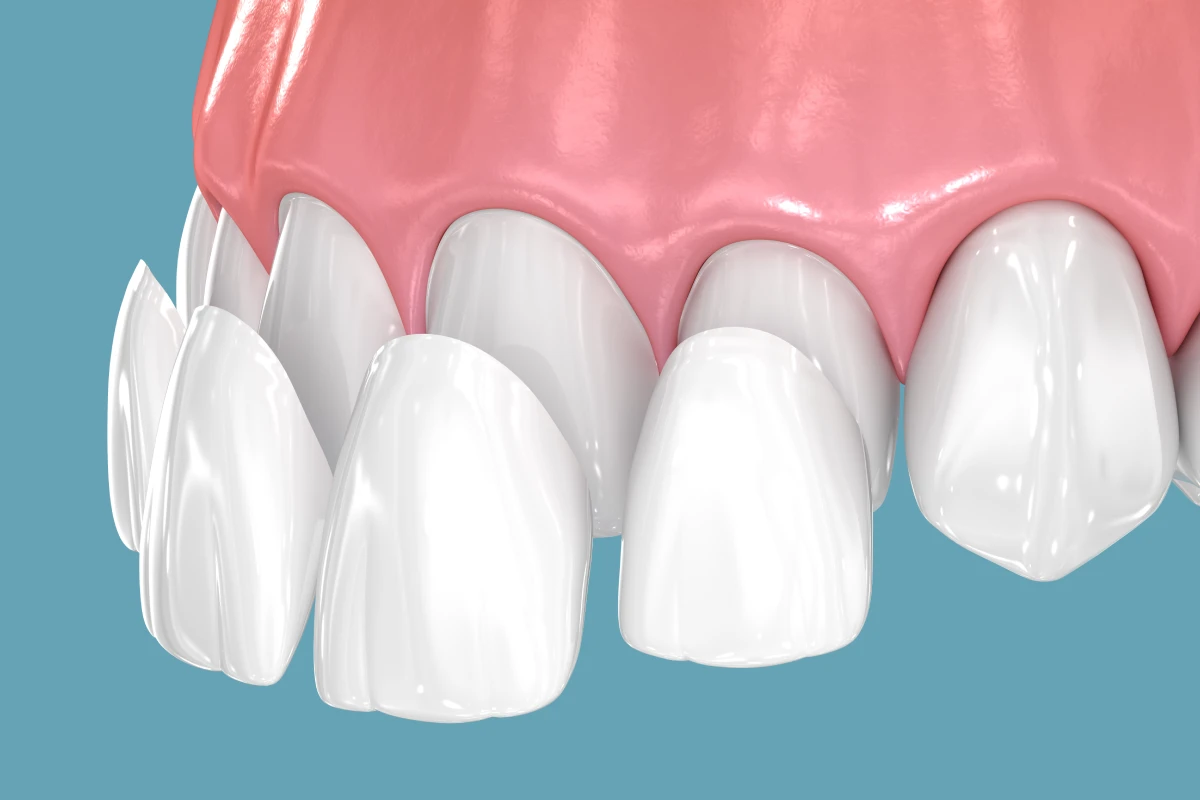
Laminate veneer, also known as leaf veneer, is a procedure in which thin and transparent veneer materials are placed on the surface of the teeth for aesthetic purposes. This technique is especially preferred for the front teeth due to aesthetic concerns, and only minimal abrasion is made on the tooth surface during its application. Known as leaf porcelain veneer, laminate veneer aims to improve the smile aesthetics while preserving the natural structure of the teeth. Laminate veneers are one of the most preferred treatments for teeth that are spaced, discolored, worn, or irregular.
Laminate veneers are made from customized leaf porcelain. These veneers, designed to not disrupt the natural appearance of the teeth, are bonded to the front surface of the teeth, and high-quality porcelain materials are used to enhance durability. In addition to maintaining the natural color of the teeth, laminate veneers provide highly aesthetic results due to their light transmission properties. The laminate veneer procedure is generally considered a minimally invasive treatment and causes less damage to the teeth compared to other types of veneers.
How is Laminate Veneer Applied?
The laminate veneer procedure begins with the dentist evaluating the teeth and taking appropriate measurements. First, the surface of the teeth is slightly reduced, and then customized laminate veneers are prepared according to the patient's dental structure. During this process, the color, shape, and thickness of the veneers are carefully planned. Once the teeth are prepared according to the measurements, temporary veneers are placed, and the patient waits a few days for the permanent veneers. During this period, temporary laminate veneers are applied to the patient, and the final appearance of the veneer is evaluated for patient satisfaction.
In the final step, the permanent laminate veneers are bonded to the surface of the teeth using special adhesives. The goal during this process is to create a strong and long-lasting bond between the veneer and the tooth. The laminate veneer procedure aims to offer an aesthetic solution while maintaining the dental structure, providing a healthy and beautiful smile. After the treatment, it is important for patients to maintain regular care for long-lasting use.
Things to Consider Before Laminate Veneer
There are some important points to consider before getting laminate veneers. First, the overall oral health should be in good condition, and gum issues or cavities should be treated. Since laminate veneers adhere directly to the tooth surface, a healthy tooth surface is crucial for the success of the procedure. Additionally, before laminate veneer application, the teeth are thoroughly examined to ensure compatibility with other dental aesthetic and restorative treatments.
Patients are advised to avoid consuming hard foods before the procedure and maintain regular tooth brushing and flossing to preserve dental health. Good oral hygiene is critical for extending the lifespan of laminate veneers. Following the dentist's instructions is essential to achieve the desired aesthetic results before and after the procedure.
Things to Consider After Laminate Veneer
After the laminate veneer procedure, it is extremely important to pay attention to oral hygiene. After the veneers are applied, regular tooth brushing, flossing, and using mouthwash should be done to maintain the health of the teeth and ensure the longevity of the veneers. Additionally, it is important to protect laminate veneers from impacts; hard foods or activities that could damage the veneers should be avoided. This will help extend the lifespan of laminate veneers and maintain their aesthetic appearance.
Moreover, regular dental check-ups should be done to ensure the health of the laminate veneers. During the check-ups, any potential cavities or structural issues under the veneers are assessed, and preventive measures are taken if necessary. Particularly during the first few weeks, attention to sensitivity to hot and cold temperatures can make the process of getting used to the veneers more comfortable. By following these care instructions, laminate veneers can be used healthily for many years.
What Are the Types of Laminate Veneer?
-
Porcelain Laminate Veneers: Known for their thin structure and natural appearance, porcelain veneers are applied to the tooth as a thin layer. They are preferred aesthetically due to their ability to transmit light.
-
Composite Laminate Veneers: Composite veneers, which can be applied more quickly than porcelain veneers, are applied directly to the tooth. Although they are more affordable, they are not as durable as porcelain and may change color over time.
-
Ready-made Laminate Veneers: These veneers, prepared by taking measurements of the teeth, are applied to the tooth surface and are generally preferred by those looking for a quick solution.
How is Laminate Veneer Made?
The process of making laminate veneers begins with preparing the teeth. Initially, a very thin layer is removed from the front surface of the tooth to create a suitable surface for the veneer. Then, measurements of the teeth are taken, and custom laminate veneers are prepared in the laboratory. This process typically takes a few weeks, but in some cases, temporary veneers are used to protect the teeth. After the veneers are prepared, they are applied to the tooth using special adhesive, and final adjustments are made.
After the laminate veneers are applied, an ideal aesthetic and functional appearance is achieved. This method preserves the natural structure of the tooth while offering an aesthetic solution. The application process is done with precision, and the teeth are adjusted according to the oral structure. In this way, a long-lasting, aesthetic, and natural smile can be achieved.
How Are Laminate Veneers Applied?
The laminate veneer procedure aims to achieve an aesthetic appearance with minimal intervention to the natural structure of the teeth. The process starts with slightly abrading the surface of the teeth. The dentist makes the necessary reductions to ensure that the veneer fits perfectly on the tooth surface. This abrasion is done only on the surface, and care is taken not to damage the tooth's underlying structure. Laminate veneers, which have a thin structure, are ideal for providing a natural aesthetic appearance, especially on the front teeth. Once the tooth surface is prepared, measurements are taken, and customized veneers are prepared for the patient.
After the veneers are specially made in the laboratory, they are checked by the dentist for proper fit before being applied to the tooth. The laminate veneer, which perfectly matches the tooth's structure and color, is fixed onto the tooth with special adhesives. During this process, the dentist tests the veneer’s fit and aesthetic appearance and makes necessary adjustments. After the laminate veneer is applied, the patient immediately has a natural and aesthetic smile. Once the procedure is completed, the patient can comfortably use the veneer in daily life.
How Much Do Laminate Veneer Prices Cost?
The cost of laminate veneers depends on the quality of the material used and the dentist's experience. Different types of laminate veneers, such as porcelain and composite, have different prices. Generally, porcelain veneers are more expensive due to their durability and aesthetic advantages. Also, the number of veneers required by the patient affects the cost; multiple tooth veneers may lead to higher costs. Since a special pricing plan is made for each patient, it is important to have a detailed consultation with the dentist before the procedure.
The clinic’s location and the technology used can also affect laminate veneer prices. Prices may be higher in large cities or clinics equipped with modern equipment. The duration of the treatment and the need for additional treatments also play an important role in pricing. To get the most accurate information about the cost of laminate veneers, it is best to get a price quote after the consultation.
What Is the Duration of Using Laminate Veneers After Braces?
Laminate veneers used after orthodontic treatment are designed to help the teeth adapt to their new positions and prevent unwanted movements. The duration of using laminate veneers depends on the length of the orthodontic treatment and the condition of the patient's teeth. Typically, the use of laminate veneers is recommended for 6-12 months. However, in some cases, this duration may be extended to ensure the teeth are fully stabilized. The dentist evaluates the movement of the teeth during regular check-ups and adjusts the duration of veneer use as needed.
Veneers are generally worn continuously for the first few months and then switched to nighttime use only. During this period, it is important for the patient to wear the veneers regularly and pay attention to the duration of use. Otherwise, there is a higher risk that the teeth may shift back. Using laminate veneers after orthodontic treatment plays a crucial role in maintaining long-term results, and following the dentist's recommendations will increase the success of the treatment.
Can I Eat with Laminate Veneers?
Laminate veneers are orthodontic appliances that need to stay in the mouth for certain periods during the teeth correction process. However, it is recommended to remove the veneers while eating since they may not sit properly on the teeth and may get damaged during the meal. Eating with the veneers on can cause the surface of the veneers to scratch and negatively affect oral health. The veneer should be removed during meals and cleaned before being reinserted.
Eating while wearing laminate veneers may lead to food particles remaining on the surface of the veneers, which can cause discoloration. During the treatment process, cleaning and maintaining hygiene is crucial. Therefore, it is recommended to remove the veneers before eating, brush your teeth after the meal, clean the veneers, and then reinsert them. This way, both your dental health and the durability of your laminate veneers can be maintained.
Can I Drink with Laminate Veneers?
It is not recommended to consume any drinks other than water while wearing laminate veneers. Beverages such as tea and coffee can leave stains on the surface of the veneers, so it is necessary to remove the veneers before drinking. Especially acidic and hot drinks can cause damage to the laminate veneers. To ensure the longevity of the veneers, it is advised to avoid hot drinks and consume only water while wearing the veneers.
When drinking something is necessary, it is important to remove the veneer and reinsert it after drinking. To preserve the effectiveness of the laminate veneer treatment, it is necessary to prevent staining caused by beverages. Laminate veneers should be used carefully to protect oral health and should be cleaned after every drink before being reinserted. This ensures both the protection of the teeth and the long-term use of the laminate veneers.
Will Laminate Veneers Affect My Speech?
Laminate veneers, being invisible appliances for correcting dental irregularities, are an aesthetically preferred orthodontic solution. The thin structure of laminate veneers does not significantly affect tongue movements or speech. However, when you first start wearing them, there might be a slight sensation of having a foreign object in the mouth, and this may require a short adjustment period. Usually, after a few days, the patient will completely adapt to the veneers, and any potential speech difficulties will disappear.
Laminate veneers are custom orthodontic appliances shaped according to the position of the teeth and designed to be comfortably worn in the mouth. As a result, they do not cause a noticeable effect on speech and do not interfere with daily communication. This advantage of laminate veneers makes them ideal for those who want to feel comfortable while speaking. When wearing veneers, particularly at the beginning, there may be a slight adjustment period when speaking quickly or pronouncing words quickly.
Will Laminate Veneers Cause Sores in My Mouth?
Laminate veneers are designed to sit gently on the teeth, and they generally pose a low risk of causing sores in the mouth. However, when you first start wearing the veneers, you may experience mild discomfort in the mouth. This is completely normal during the adjustment period, and within a few days, the veneers will fit comfortably. However, if laminate veneers cause irritation or sores in the mouth, there may be a problem with the edges or surface of the veneers, which may need to be corrected. In this case, it is important to consult your dentist to have the veneers adjusted.
To prevent sores in the mouth, it is important to maintain cleanliness while taking the veneers on and off. Dirty veneers can lead to bacteria buildup in the mouth, which can cause irritation in the gums or inside the cheeks. The soft structure of laminate veneers typically allows them to be comfortably worn inside the mouth, but in case of any discomfort, your dentist should check the fit of the veneers.
How Many Hours a Day Should I Wear Laminate Veneers?
For the laminate veneer treatment to be successful, the veneers should remain in the mouth for at least 20-22 hours a day. To ensure the teeth reach the desired position, you may remove the veneers only while eating and brushing your teeth. Using the veneers for fewer hours than recommended may prolong the treatment process and make it more difficult to achieve the desired result. Continuous use of laminate veneers throughout the day is crucial for the healthy movement of the teeth.
Wearing the veneers for the required amount of time is essential for aligning the teeth properly. Frequently removing the veneers before the recommended time may cause delays in the treatment process. After removing the veneers for meals, hot drinks, or brushing, they should be reinserted immediately. Your dentist will provide the necessary information about wearing laminate veneers for the recommended amount of time and regular check-ups to ensure the treatment continues without interruptions.
What Happens if I Forget to Wear Laminate Veneers?
Regular use of laminate veneers is very important for the teeth to reach the desired position and for the movements to be sustainable. If the veneers are not worn regularly or the recommended duration is not followed, the teeth may slowly begin to move back to their original position. This can prolong the treatment process or even require restarting the treatment. If the teeth do not move as planned, it can reduce the effectiveness of the treatment and cause imbalances in the tooth structure. It is critical to remember to wear the veneers for the prescribed amount of time to achieve the success of the treatment.
During the treatment process, the daily use of laminate veneers is typically set at 20-22 hours, and if this duration is not followed, it will be difficult to achieve the desired result. If you forget to wear the veneers, continue using them and follow your dentist's instructions. Otherwise, the teeth may exceed the planned time for correction, and the movement of the teeth may take longer. Therefore, continuously using the veneers and staying committed to the treatment process is crucial.
What Happens if I Don’t Wear Veneers After Braces?
Using laminate veneers after braces helps to stabilize the teeth in their new position and prevents them from moving again. If the veneers are not worn after the braces are removed, the teeth may gradually return to their previous position, which reduces the effectiveness of the entire treatment process. The veneer serves as support to keep the teeth in their new position and prevents realignment. Neglecting to use the veneers may cause misalignments over time and may require repeating the treatment process.
The regular use of veneers is necessary to fix the movement of the teeth and ensure permanent results. Since the teeth are still in a sensitive state after braces, if the veneers are not worn, external factors can cause the teeth to shift and cause misalignments. Following the dentist's recommended time for wearing the veneers is necessary to keep the teeth healthy and maintain the aesthetic appearance of the teeth.
When is Laminate Veneer Applied?
Laminate veneer, also known as leaf veneer, is a treatment method preferred for patients with aesthetic concerns and dental shape abnormalities. It provides an ideal solution for issues such as discoloration, cracks, fractures, or irregularities in the teeth. Especially when the aesthetic appearance of the front teeth is disrupted, laminate veneers are applied to achieve a natural and white smile. The color and shape of the teeth are adjusted according to the patient's preferences, creating a personalized design. This way, the patient obtains teeth that look so natural they are indistinguishable from their own natural teeth.
Additionally, laminate veneers are also suitable for patients with fillings in their teeth or for those with widely spaced teeth. Laminate veneers can be applied to close the gaps between teeth, balance surface color differences, and make the teeth more aesthetically pleasing. In cases where teeth are excessively worn or yellowed, laminate veneers restore the original white and shiny appearance of the teeth. This treatment is highly preferred as it provides both aesthetic and functional benefits.
What Are the Stages of Laminate Veneer Application?
- Examination and Planning: The laminate veneer process begins with the dentist examining your mouth and dental structure. After evaluating whether it suits your dental structure, the treatment plan is created.
- Tooth Preparation and Measurement: The surface of the teeth is lightly filed to make it suitable for the veneer. This process leaves a thin gap on the tooth surface for the veneer to fit. Then, a detailed measurement of the dental structure is taken and sent to the laboratory.
- Temporary Veneer: To protect the sensitivity of the tooth structure, a temporary veneer is placed while the laboratory process continues. This veneer ensures the patient is comfortable during the veneer process.
- Preparation of the Veneers: The laminate veneers prepared in the laboratory are produced to match your dental structure and smile aesthetics. Details such as color, shape, and veneer thickness are considered during this process.
- Placement of the Veneers: The prepared veneers are placed on your teeth by the dentist, and the final fit is checked. Then, they are permanently fixed to the tooth surface using special adhesives.
- Final Check and Adjustments: After the veneers are placed, a final check is done, and any necessary minor adjustments are made. The process is then completed, and the patient returns to their daily life with the new veneers.
These steps form the laminate veneer process, and the careful application of each step affects the success of the treatment.
Are There Any Disadvantages of Laminate Veneers?
Laminate veneers are generally a safe treatment option; however, they do have some disadvantages. First, a minimal amount of abrasion must be done on the front surface of the teeth for the veneer application. Since this abrasion process is irreversible, the veneers must be replaced if they are ever removed. Additionally, laminate veneers can be sensitive to very hard foods and impacts, which increases the risk of breaking. Therefore, it is important to pay attention to daily dental care and eating habits to ensure the long-term durability of the veneers.
Another disadvantage is that laminate veneers can discolor or wear over time. Foods and beverages that cause staining, such as cigarettes, coffee, or tea, can affect the aesthetic appearance of the veneers. Moreover, laminate veneers may cause sensitivity to hot and cold in sensitive individuals. When considering treatment, these potential disadvantages should be taken into account, and care for oral hygiene after laminate veneer treatment is essential.
Can Laminate Veneers Be Filed?
During the laminate veneer procedure, the surface of the teeth is slightly filed to ensure the veneer fits perfectly. Only a very thin layer is removed from the surface of the teeth, allowing the laminate veneer to settle naturally. The filing process is done carefully and does not harm the health of the tooth. The dentist ensures that the veneer fits the tooth perfectly during this step.
However, once the veneers are placed, it is not recommended to file or abrade the surface of the veneer. This could weaken the durability or disrupt the aesthetic appearance of the veneer. Patients with laminate veneers should maintain regular oral hygiene and avoid consuming hard foods that could damage the veneers to preserve their form.
Can Laminate Veneers Be Applied to Molars?
Molars are the teeth that endure the most pressure during chewing, so they require more durable restorative treatments. Since aesthetic concerns are typically prioritized, laminate veneers are more commonly applied to the front teeth. Due to their delicate structure, laminate veneers may not be suitable for the intense pressure exerted on the back teeth. For molars, more durable options such as porcelain or zirconium veneers are preferred. However, in some special cases and depending on the patient's needs, laminate veneers can also be applied to molars for aesthetic purposes. The decision to apply laminate veneers to molars is made by the dentist after evaluating the dental structure.
Laminate veneers, especially on front teeth, are highly effective for improving the natural appearance and aesthetic concerns, such as teeth whitening. The thin porcelain layer of laminate veneers provides a more aesthetic option, especially for teeth that show when smiling. Although their application on molars is limited, laminate veneers may be applied if deemed suitable by the dentist. If laminate veneers are considered for molars, a comprehensive evaluation by the dentist is recommended to strike a good balance between durability and aesthetics.
How Long Does Laminate Veneer Treatment Take?
Laminate veneer treatment is typically completed in a few sessions. The first session involves evaluating the patient's dental structure and taking measurements. After the measurements are taken, custom laminate veneers are prepared in a special laboratory. The preparation process usually takes 1-2 weeks, but this may vary depending on the patient's dental structure and the materials used. After the veneers are prepared, a slight filing of the teeth is done, and the laminate veneers are permanently placed. During this time, the patient is protected with temporary veneers.
Laminate veneers are one of the most preferred aesthetic dental treatments. The duration of the treatment may vary depending on the materials used, the condition of the teeth, and the laboratory process. Laminate veneer treatment is usually completed in a short time, and after the treatment, the patient achieves a natural and aesthetic appearance in their teeth. Adhering to the recommended care and hygiene rules after laminate veneer treatment will extend the lifespan of the veneers.
Reviews of People Who Got Laminate Veneers
People who have undergone laminate veneer treatment are generally very satisfied with the aesthetic changes in their teeth. Laminate veneers, with their ability to provide a natural look and whitening effect, receive positive reviews as an aesthetic dental treatment. The veneer process is personalized according to the patient's dental structure, and patients are informed throughout the treatment process by their dentist. Individuals satisfied with the treatment mention that the whiteness and natural appearance of their teeth have been preserved for a long time.
The most highlighted aspect in reviews about laminate veneers is their natural appearance and durability. Known as leaf veneers, laminate veneers provide an excellent solution for individuals with aesthetic concerns. They are especially preferred by people who want their teeth to look natural when smiling. Laminate veneers provide long-term satisfaction with their aesthetic and functional results. Reviews also mention that regular care after treatment is crucial for ensuring the longevity of the veneers.
How Long Do Laminate Veneers Last?
Laminate veneers, due to their durability and aesthetic appearance, are a highly preferred type of dental veneer. The lifespan of laminate veneers generally ranges from 10-15 years. The most important factors affecting the longevity of the veneers include the patient's oral and dental care routine, the quality of the material used for the veneer, and regular dental check-ups. With proper care and following the dentist's recommendations, laminate veneers can be used for many years without issues.
Additionally, the lifespan of laminate veneers can vary depending on oral health. Simple steps like avoiding hard foods, regular tooth brushing, and flossing improve the durability of the veneers. Being careful during laminate veneer use reduces the risk of problems like chipping or cracking.
How Should Laminate Veneers Be Cleaned?
The cleaning of laminate veneers is not much different from natural teeth. Regular brushing of the teeth in the morning and evening prevents bacterial buildup on the veneer surface. Using a soft-bristled toothbrush and fluoride-free toothpaste recommended by the dentist helps maintain the veneer’s shine and health. Using dental floss also preserves the health of the gums around the veneers and prevents plaque buildup between the teeth.
It is not recommended to use abrasive toothpastes or whitening powders during veneer cleaning, as these materials can damage the surface of the laminate veneers. Regular dentist check-ups should also include cleaning and monitoring the general condition of the veneers to ensure their longevity and effectiveness.
How Are Laminate Veneers Removed?
Removing laminate veneers is a delicate process that should be done by a professional dentist. Since the veneers are tightly bonded to the surface, it requires precision. The dentist uses special dental tools and techniques to carefully remove the veneer. Care is taken to ensure the teeth underneath the veneer are not damaged. If the removal of the veneer is necessary, options like making a new veneer or considering alternative treatment methods are evaluated beforehand.
The process of removing laminate veneers may vary depending on the patient’s dental structure, the veneer material, and the dentist's recommendations. Veneer removal is typically considered when the treatment period has ended or when an aesthetic change is desired. After the removal, the dentist will offer appropriate treatment options to preserve the natural structure of the teeth.
Which Department Handles Laminate Veneers?
Laminate veneer treatment is performed by departments specializing in prosthetic dental treatments or aesthetic dentistry. These departments consist of dentists who specialize in dental veneers and cosmetic dental treatments. Laminate veneers, thin porcelain layers applied to the front surface of the teeth, are commonly used to correct aesthetic dental issues. Aesthetic dentists prepare laminate veneers specifically for patients to improve the color, shape, and overall appearance of the teeth.
The treatment process begins with the dentist evaluating the patient’s dental structure and aesthetic expectations. The prosthetic dental department carries out all stages of the veneer procedure. Before starting the treatment, the condition of the teeth and suitability for veneers is assessed, and the most appropriate veneer options for the patient's dental structure are determined.
What to Do if Laminate Veneers Break?
Although laminate veneers are resistant to impacts, problems like breaking or cracking may occasionally occur. If a veneer breaks, the first thing to do is to keep the broken piece if possible and immediately consult a dentist. The dentist will guide you on whether to repair the broken veneer or replace it with a new one. Depending on the size and location of the break, a temporary filling or reattachment process can be applied.
Veneer breakage usually happens when consuming hard foods, biting nails, or teeth grinding. Your dentist may recommend certain precautions to avoid damaging your laminate veneers. These precautions include following proper oral hygiene routines and avoiding habits that could damage the veneers.
How to Whiten Laminate Veneers?
Since laminate veneers have a different structure from natural teeth, standard tooth whitening methods do not work on veneers. The color of the veneers remains fixed at the time of application, so they cannot be whitened over time. However, if the veneers have become dull or discolored, the dentist can perform special polishing procedures. This method helps remove stains on the veneer surface and restores the original shine.
If you are dissatisfied with the color of your existing laminate veneers, you can discuss options with your dentist, such as replacing the veneers or performing a whitening treatment to match the color of the veneers with the natural teeth. It is important to use soft-bristled toothbrushes and the products recommended by the dentist for cleaning the veneers.
Examples of Laminate Veneers
Examples of laminate veneers involve the application of a thin porcelain layer to the front surface of the teeth to improve the aesthetic appearance of the teeth. Laminate veneers offer an aesthetic and natural look for those who are unhappy with the color, shape, or position of their teeth. For example, laminate veneers are commonly used in smile design, especially on the front teeth, and are customized to match the natural tooth tissue. They are an ideal option for those who want to close gaps between teeth, fix broken teeth, or permanently whiten their teeth.
Since laminate veneers come in a wide range of colors, patients have the opportunity to select the shade that best matches their natural teeth. Additionally, since the procedure is minimally invasive, only a very thin portion of the teeth is filed, preserving the dental structure as much as possible. Laminate veneers are considered a long-lasting and durable solution, offering aesthetically pleasing results that allow for a more beautiful appearance of the teeth.
What Are the Differences Between Laminate Veneers and Zirconium Veneers?
The main difference between laminate veneers and zirconium veneers lies in the composition of the veneer material and the purpose of the application. Laminate veneers, typically applied to the front teeth, are made of a thin porcelain layer, while zirconium veneers are made of a more durable and thicker material that is strong enough to support the entire tooth structure. Zirconium veneers are typically preferred for back teeth, which are more exposed to chewing forces, while laminate veneers are more suitable for the aesthetic expectations of front teeth.
Another difference lies in the aesthetic results. Laminate veneers, being thinner, preserve the natural tooth tissue and offer a more transparent appearance. Zirconium veneers are known for their durability and, although they provide a more natural look compared to metal-supported porcelain veneers, they are slightly more opaque than laminate veneers. The choice between these two types of veneers is determined by the patient’s dental structure, aesthetic expectations, and the position of the teeth.
Post-Laminate Veneer Care
Post-laminate veneer care is crucial for ensuring the veneers remain durable and healthy. First, it is recommended to avoid consuming hard foods to prevent damage to the veneers and to reduce habits like teeth grinding or clenching. Additionally, regular oral hygiene routines, including tooth brushing and flossing, should be maintained. It is particularly important to use a soft-bristled toothbrush and fluoride-free toothpaste as recommended by your dentist.
Regular dental check-ups are also essential for the health of the veneers. During these check-ups, your dentist will evaluate the condition of the veneers and, if necessary, perform professional cleaning. By following these care recommendations, the longevity of laminate veneers' shine and durability will be maintained for many years.
Do Laminate Veneers Look Like Natural Teeth?
Laminate veneers are made of thin porcelain or composite materials designed to mimic the appearance of natural teeth, providing a highly aesthetic result. These veneers are customized to match the shape, color, and shine of the patient's teeth, so they offer a highly natural look, especially for front teeth. The high-quality materials used in laminate veneers reflect the natural light transmission of the teeth, blending seamlessly with facial features and creating a natural tooth appearance.
Thanks to the thinness of the veneer and its compatibility with the natural tooth tissue, laminate veneers blend naturally with the surrounding teeth. The dentist designs the veneers according to the patient's facial structure and smile features, achieving the highest level of naturalness. As a result, laminate veneers are considered a highly successful treatment for meeting aesthetic expectations.
Can Laminate Veneers Be Applied to All Teeth?
Laminate veneers are typically applied to the front teeth, where aesthetic concerns are more prominent. However, in some cases, laminate veneers can be applied to other teeth to achieve an aesthetic result. Since back teeth endure more chewing pressure, more durable options such as porcelain or zirconium veneers are recommended for them. This is because back teeth need stronger veneers to withstand the forces of chewing. However, in certain special cases and depending on the patient's needs, laminate veneers can be applied to back teeth for aesthetic purposes. The decision to apply laminate veneers to back teeth is made by the dentist after evaluating the patient's dental structure.
Applying laminate veneers to all teeth requires careful attention to dental and gum health. In patients with suitable dental structure and who undergo a detailed oral health examination before the procedure, laminate veneers can be applied to all teeth. The dentist determines which teeth are suitable for laminate veneers based on their recommendations.
Do Laminate Veneers Discolor Over Time?
Laminate veneers are more durable and resistant to discoloration than natural teeth. Made from high-quality porcelain or composite materials, these veneers are more resistant to staining from foods and beverages like cigarettes, coffee, or tea. However, veneers can still experience slight discoloration over time. Regular dental care and periodic check-ups as recommended by the dentist can help maintain the original aesthetic appearance of the veneers for a long time.
Porcelain laminate veneers are especially advantageous in terms of color stability. With proper oral hygiene and maintenance, laminate veneers will retain their whiteness for many years.
Who Can Get Laminate Veneers?
Laminate veneers are a treatment option for individuals who want to improve the appearance of their teeth in terms of aesthetics and functionality. Laminate veneers are preferred for individuals who have issues like color change, staining, cracks, shape abnormalities, or gaps in their teeth. These thin porcelain or composite materials are applied to the front surface of the teeth to make them more aesthetic. This treatment is ideal for individuals who maintain good oral hygiene and have generally healthy teeth. Additionally, a detailed evaluation by the dentist is required to assess suitability for treatment.
Laminate veneers offer the advantage of providing a natural appearance with minimal abrasion of the teeth. They provide a long-lasting solution for people who do not have the habit of teeth grinding or clenching. For individuals with severe bite problems or excessive wear on their teeth, the use of laminate veneers should be carefully evaluated. The dentist creates the most appropriate treatment plan by evaluating the patient's dental structure and oral health before applying laminate veneers.
What Materials Are Used for Laminate Veneers?
Laminate veneers are typically made from two main materials: porcelain and composite. Porcelain laminate veneers provide a more natural aesthetic and adhere strongly to the tooth surface. Porcelain reflects light, offering an aesthetic that closely resembles natural tooth structure and is resistant to staining. For patients with high aesthetic expectations, porcelain veneers are more commonly preferred. On the other hand, composite laminate veneers are an affordable, easily applied option that can be polished to give a natural appearance.
The choice of material depends on the patient's aesthetic expectations, budget, and dental structure. Porcelain veneers are more durable than composites,