


Periodontology
What is Periodontology?
Periodontology is a dental specialty that focuses on the health of the soft tissues (gums) surrounding the teeth and the hard tissues that attach the teeth to the jawbone. While it is commonly known as the “gums disease section,” its scope is not limited to just inflammation treatment.
Specialists in this field (periodontists) manage critical procedures such as teeth cleaning, treatment of gum recession, stabilizing loose teeth, and placing implants where teeth have been lost. Periodontal aesthetics (pink aesthetics), which form the foundation of a healthy smile, are also a major area of interest within periodontology.
What Does the Periodontology Department Do?
Periodontology deals with the diagnosis, treatment, and prevention of gum diseases.
This specialty treats conditions such as gingivitis (gum inflammation), gum recession, and periodontitis, which can lead to advanced bone loss. Periodontists perform surgical procedures such as deep teeth cleaning, root planing, flap surgeries, and gum grafts. Additionally, advanced procedures such as bone grafting and soft tissue management before implant treatment are also carried out. Healthy gums are the foundation of overall oral health.
What Does Periodontology Focus On?
Generally, the periodontology clinic focuses on all diseases related to the soft and hard tissues surrounding the teeth, ranging from gum inflammation to implant surgery. If you experience bleeding while brushing your teeth or if your gums appear bruised, this is the department to visit.
The main areas of treatment for specialists (periodontists) include:
- Gum Diseases: Treatment of gum recession, bleeding, swelling, and persistent bad breath.
- Surgical Procedures: Deep teeth cleaning, curettage, and implant placement for lost teeth.
- Aesthetic Procedures: Teeth lengthening (Smile Design) and gum graft surgeries.
This department focuses on strengthening the foundation that supports the teeth, rather than the teeth themselves.
The Importance of Gum Health
Just as the foundation of a strong building is crucial, gums are just as vital for oral and dental health. Often, the focus is on the whiteness or alignment of the teeth, but the structure that holds the teeth in place and nourishes them is the gums and jawbone. The dental specialty that examines, diagnoses, and applies treatment protocols to these foundational structures is called Periodontology.
Gum diseases are typically insidious and may not cause much pain in the early stages, but if left untreated, they can lead to the loss of even healthy teeth. Common complaints such as gum bleeding, bad breath, or loose teeth are actually signs from the body indicating a problem that should be evaluated by a periodontist. Periodontology not only covers the gums but also the bone tissue, ligaments, and connective tissues surrounding the tooth roots.
How Do Gum Diseases Manifest?
The most noticeable and initial sign of gum disease is usually bleeding observed during brushing or biting into hard food. Healthy gums never bleed, have a light pink color, and tightly surround the teeth. If you notice redness, swelling (edema), or bruising in your gums, this indicates the start of an inflammatory process. Often, bleeding is misinterpreted as "brushing too hard" and neglected, but this is actually a sign of gingivitis (gum inflammation). If ignored, this symptom can evolve into more serious conditions.
As the disease progresses, gum recession begins, exposing the tooth roots. This can cause sensitivity to hot and cold. In more advanced stages, the bonds between the teeth and gums break, bone support decreases, and teeth start to loosen. Bad breath (halitosis) and a persistent unpleasant taste in the mouth are also typical symptoms of periodontal disease. Some patients may also feel that their teeth are shifting, creating gaps between them or that the teeth don’t fit together properly when biting. If any of these symptoms are noticed, seeking an expert immediately is the only way to prevent tooth loss.
The Role of Gum Health in Implant Treatment
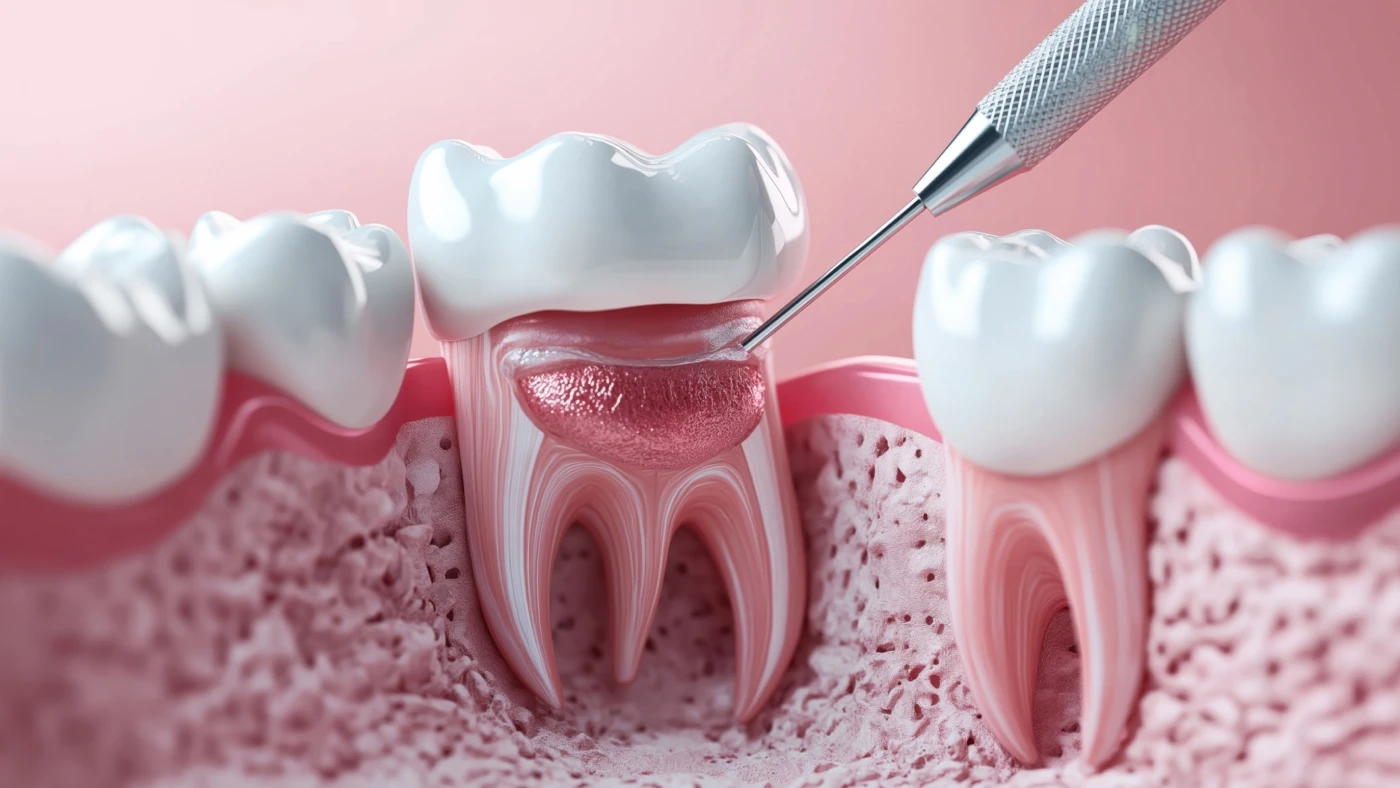
The success of implant treatments, which are applied to replace lost teeth, is entirely dependent on the health of the surrounding bone and gums. For an implant to be long-lasting, the gum surrounding it must be healthy, attached, and of sufficient thickness. If there is not enough gum tissue around the implant or if the existing gum is diseased, peri-implantitis (implant surrounding inflammation) can develop. This condition can lead to the loss of the implant and is a serious issue.
Periodontists prepare a sterile environment by eliminating all infection foci in the mouth before placing the implant. Additionally, after the implant is placed, the patient must undergo regular check-ups. Just like natural teeth, dental plaque can accumulate around implants, requiring cleaning. The success of the implant depends not only on the surgeon's skill but also on the health of the surrounding periodontal tissues. No structure can be permanent without being built on a solid foundation.
For healthy gums, you should definitely incorporate the following steps into your daily routine:
- You should brush your teeth at least twice a day with a medium-hard toothbrush and correct technique.
- For interdental surfaces that a toothbrush cannot reach, always use dental floss or an interdental brush.
- Do not neglect cleaning your tongue to reduce bacterial load in the mouth.
- Avoid smoking and ensure a balanced diet.
- Even if you have no complaints, you should visit the dentist for a check-up every six months.
Does Periodontology Treatment Hurt?
Thanks to advanced local anesthesia techniques applied before the procedure, periodontology treatments do not cause any pain or discomfort during the application. Your doctor ensures comfort by fully numbing the gum with special gels and anesthetic solutions before starting the procedure.
Modern laser technologies and microsurgical tools minimize tissue trauma, significantly speeding up the healing process. After the anesthesia effect wears off, any mild sensitivity that may occur can be easily controlled with simple painkillers suggested by your doctor.
Is Periodontology Surgery Difficult?
Periodontology surgeries, thanks to developing microsurgical techniques, are quite comfortable and easy processes, contrary to what many patients fear. The operations are usually completed in a short time, under local anesthesia, without damaging healthy tissues, and minimizing the need for stitches.
Patients can return home immediately after the procedure and generally resume their daily social lives the next day. In fact, the recovery process for most gum surgeries is much lighter and less painful than that of an impacted wisdom tooth extraction.