



What is an Implant? How is Implant Treatment Done?
What is an Implant? How is Implant Treatment Done?
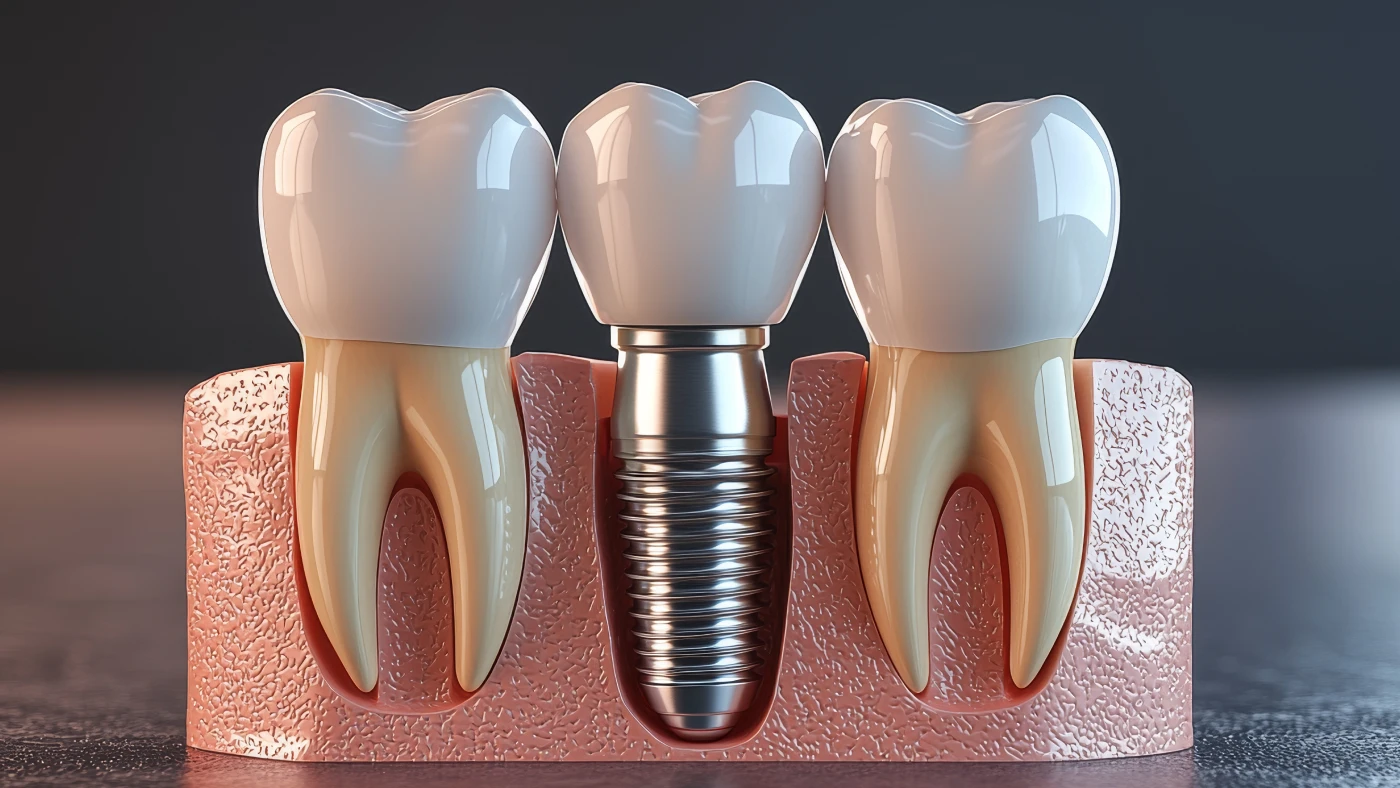
An implant is an artificial tooth root, usually made of titanium, placed into the jawbone to replace missing teeth. Implant teeth are considered the closest solution to natural teeth in terms of appearance and functionality. Implant treatment is performed to address tooth loss and involves several stages. Initially, the patient's oral and jaw structure is evaluated. Then, through a surgical procedure, the implant is placed into the jawbone.
During the healing process, the implant integrates with the jawbone, becoming stable. This process can take 2 to 6 months. In the final stage, a prosthetic tooth is placed on the implant, completing the treatment. Implant treatment offers a long-lasting and durable solution, which is why it is a frequently preferred method. Additionally, implant treatment helps prevent bone loss caused by tooth loss and preserves the jaw structure. Implant treatment is an ideal option for achieving a healthy smile and strong jaw structure. Implant prices can vary depending on factors such as the selected implant brand, the complexity of the treatment, and additional procedures. Before the treatment, your dentist will assess and plan the treatment process, determining the exact price.
How is a Complete Implant Done?
A complete implant is a treatment method applied when all teeth are missing in the mouth. In this treatment, a specific number of implants are placed in both the upper and lower jaw, and fixed or removable prosthetic teeth are placed on them. In the first stage, the jaw structure is examined, and the necessary number of implants is determined. Through a surgical procedure, implants are placed in the jawbone, and the healing process begins.
Once the implants integrate with the bone, prosthetic teeth are prepared and attached to the implants. Complete implant treatment ensures the stability of dental prosthetics and provides a natural appearance. The treatment may take several months depending on the patient's jaw structure and provides long-term results. During the treatment process, the patient should attend regular check-ups and follow the doctor's advice. Once the healing process is complete, the patient fully regains chewing and speaking functions.
How is a Stitched Implant Done?
A stitched implant is a method where the gum is closed with stitches after the implant is placed during a surgical procedure. In this process, the gum is opened to place the implant into the jawbone. After the implant is placed, the gum is closed, and stitches are applied. The stitches are either removed within a few weeks or dissolve naturally.
The stitched implant procedure is preferred to ensure the gum fully integrates with the implant. After the healing process is complete, a permanent dental prosthesis is placed on the implant. Stitched implants are a safe method that allows for controlled healing. After a stitched implant, the patient should be careful during the recovery process and pay attention to oral hygiene. Additionally, periodic check-ups recommended by the doctor should not be neglected.
How is Lower Jaw Implant Application Done?
Lower jaw implant application involves placing implants in the lower jaw to replace missing teeth. First, the structure and density of the lower jawbone are assessed. If the jawbone is of sufficient thickness and strength, the implants can be placed directly. If the jawbone is weak, bone grafting may be performed first. After the implants are placed, a healing period of a few months is required for the implants to integrate with the jawbone.
Lower jaw implants restore the functionality of natural teeth, allowing normal chewing and speaking activities. After the treatment is completed, dental prosthetics are attached to the implants, and the patient can return to their normal life. During this process, the patient should take care of their gum health and attend regular check-ups to enhance the treatment's success. Lower jaw implants provide comfort in the long term by strengthening chewing function.
How is Upper Jaw Implant Application Done?
Upper jaw implant application involves placing implants in the upper jaw to replace missing teeth. The structure of the upper jaw can be softer than the lower jaw, so sometimes bone grafting may be necessary. In the first stage, the gums are lifted, and implants are placed into the jawbone. Once the implants are fixed in the upper jaw, the healing process begins. During this process, the implants integrate with the jawbone. After the healing process is complete, permanent dental prosthetics are placed on the implants.
Upper jaw implant treatment not only restores lost tooth functions but also provides aesthetically pleasing results. After the treatment, the patient achieves a natural appearance and functionality. Upper jaw implants can typically be completed within a few months, depending on the bone density. During this period, the patient should follow the doctor's advice for stabilizing the implants. After treatment, the aesthetic and functional results improve the patient's quality of life.
Implant treatment is done to provide a permanent solution that mimics the functionality and appearance of natural teeth. Tooth loss can lead to issues with chewing, speaking, and aesthetics. Implant treatment eliminates these problems, giving the patient natural-looking teeth and functionality. Additionally, it prevents bone loss caused by tooth loss and helps preserve the jaw structure.
Implants help secure dental prosthetics, offering a more secure and comfortable solution than removable dentures. Implant treatment also fills the gap without putting pressure on the surrounding teeth, making it a better option than other solutions. As a long-term solution, implant treatment eliminates the negative effects of tooth loss, and provides a natural appearance, boosting the patient's confidence.
When are Implants Done?
Implant treatment is applied to provide a permanent and durable solution for missing teeth. Tooth loss can lead to difficulties in chewing and speaking, as well as aesthetic discomfort. In cases of tooth loss, implant treatment is one of the most effective methods to restore the functionality of natural teeth.
Implants secure the placement of dental prosthetics, preventing bone loss due to their placement in the jawbone. Especially in cases of single tooth loss, implants can fill the gap without the need for bridges or removable dentures. Implant treatment can also be applied in completely edentulous mouths, offering a permanent solution for the entire mouth. Additionally, implants may be preferred when the gap needs to be filled after tooth extraction or in cases of traumatic tooth loss. In any situation involving tooth loss, implant treatment is the closest alternative to natural teeth.
Who Can Receive Implants?
Implant treatment can be applied to any patient with good overall health and sufficient jawbone. It is important for bone development to be complete in younger patients, which is why implant treatment is generally performed after the age of 18. However, in patients with insufficient jawbone density, bone grafting can be performed first to increase bone volume. Implant treatment can also be performed for patients with controlled diabetes, but their healing process must be carefully monitored.
In smokers, the success rate of implants may decrease, so quitting smoking is recommended. Implant treatment is ideal for patients who pay attention to oral hygiene and can maintain regular dental care. In addition to the general health of the patient, the suitability of the jaw structure is also important for implant treatment.
Which Teeth Can't Be Implants?
Implants can generally be placed in most cases of missing teeth, except for some specific situations. However, implants may not be applied when the gums are unhealthy or when there is insufficient jawbone. If bone loss is severe, it may be difficult to place an implant, and bone grafting may be required. In areas with low bone density, implants may not be placed. Additionally, implants are not recommended for younger patients before bone development is complete.
For individuals with gum disease, these diseases should be treated before implants are applied. If a patient has a chronic health issue that may negatively affect the healing process after implantation, implant treatment may not be recommended. The strength of the bone structure in the area to be implanted plays a major role in the success of the treatment.
What Are the Stages of Implant Treatment?
Implant treatment generally consists of several stages:
- The first stage is the detailed evaluation of the patient's mouth and jaw structure. The dentist checks the bone density and overall health status.
- The second stage is the surgical placement of the implant into the jawbone. This procedure is performed under local anesthesia, and the implant screw is fixed into the jawbone.
- In the third stage, a healing process of 2 to 6 months is expected for the implant to integrate with the bone. After this process, the final stage of placing the prosthetic tooth is performed. The dental prosthetic is fixed onto the implant, completing the treatment.
The stages of implant treatment may vary depending on the patient's condition, but the general process follows these steps. Adhering to the doctor's instructions at each stage increases the success of the treatment.
How is an Implant Placed? How is the Implant Screw Inserted?
The implant is placed into the jawbone through a surgical procedure. First, the area where the implant will be placed is numbed by the dentist using local anesthesia. The gum is opened, and the jawbone is exposed. Then, the implant's screw is placed into the jawbone using a special instrument. Once the implant screw is placed, the gum is closed, and the healing process begins. During this period, the implant integrates with the jawbone.
After the healing process is complete, the prosthetic tooth is fixed onto the implant. The implant screw serves as a long-lasting and stable tooth root, securely integrated with the jawbone. This procedure provides a permanent and aesthetic solution for missing teeth. Once the implant screw is integrated with the jawbone, the patient can comfortably regain chewing function.
How Long Does Implant Treatment Take? How Many Hours Does Implant Surgery Take?
The duration of implant treatment varies depending on the patient's jaw structure and the number of implants to be placed. A single tooth implant can usually be completed within 30 minutes to 1 hour. However, if multiple implants are needed, the duration may be longer. The process of the implant integrating with the jawbone, known as osseointegration, can take between 2 to 6 months.
Once the healing process is complete, placing the prosthetic teeth is generally a quick procedure. The overall duration of implant treatment may take several months, but this varies depending on the patient's healing capacity and the difficulty of the treatment. During the treatment process, regular check-ups and careful maintenance increase the chances of success. Proper oral care during the healing process also helps speed up the treatment.
How Long Does a Single Tooth Implant Take?
A single tooth implant usually takes between 30 minutes to 1 hour to complete. The procedure begins with placing the implant into the jawbone and is performed under local anesthesia. The integration process of the implant with the bone, known as osseointegration, typically takes between 2 to 6 months. During this period, the implant is expected to fully integrate with the jawbone. Once the implant screw has successfully integrated, a prosthetic tooth is placed, completing the treatment.
This duration may vary depending on the patient's healing speed and jawbone density. Single tooth implants are a permanent treatment method that addresses chewing and aesthetic issues, making them a long-term preferred solution. Single tooth implants provide both a functional and aesthetic solution while causing no harm to surrounding teeth.
How Long is the Waiting Period for Lower Jaw Implants?
The waiting period for lower jaw implants typically ranges from 2 to 4 months. This time is necessary for the implant to integrate with the jawbone and create a solid foundation. Since the lower jawbone is denser than the upper jaw, the implant may integrate faster. However, the healing period varies for each patient and depends on factors such as the structure of the jawbone, age, and general health status.
Once the lower jaw implant has successfully integrated, a prosthetic tooth can be placed. During the waiting period, paying attention to the oral care instructions provided by the doctor and attending regular check-ups increases the success of the treatment. The dense structure of the lower jawbone may support shorter recovery times.
How Long is the Waiting Period for Upper Jaw Implants?
The waiting period for upper jaw implants typically ranges from 3 to 6 months. The upper jawbone is softer compared to the lower jaw, which may cause the implant to integrate more slowly. This period is crucial to ensure the implant fully integrates with the bone. During this time, the implant's integration is closely monitored, and regular dental check-ups are performed to prevent any complications.
After the implant has successfully integrated with the bone, a prosthetic tooth can be placed. Although the healing process for upper jaw implants may take longer, it results in satisfying aesthetic and functional outcomes. The softer structure of the upper jaw may contribute to more stable long-term results for the implant.
When is the Prosthetic Tooth Placed After the Implant Impression?
After the implant impression is taken, it usually takes 1 to 2 weeks to prepare the prosthetic tooth. During this time, the dental prosthesis is prepared in the laboratory to match the patient's oral structure. Once the prosthetic tooth is ready, the dentist places it on the implant and makes necessary adjustments. Proper placement of the prosthetic tooth is important both for aesthetic appearance and chewing function.
The time it takes for the prosthetic tooth to be placed after the impression depends on the patient's oral structure and the time required to prepare the prosthetic tooth. Careful measurements are made to ensure the perfect fit, and this stage enhances the success of the treatment. Achieving an excellent fit for the prosthetic tooth ensures the patient enjoys long-term comfort in use.
When is the Tooth Placed After the Implant Screw is Inserted?
After the implant screw is inserted, a waiting period of typically 2 to 6 months is required for the healing process. During this time, the implant must integrate with the jawbone. This period is known as osseointegration, and it ensures the implant securely attaches to the bone.
Once the implant has successfully integrated with the bone, the prosthetic tooth is placed on the implant. This process may vary for each patient since the healing time depends on the patient's overall health and jawbone density. Once healing is complete, the dentist places the prosthetic tooth on the implant, completing the treatment. The osseointegration process allows the implant to be durable and ensures a high success rate for the treatment.
When is the Implant Healing Abutment Placed?
The implant healing abutment is typically placed within 2 to 3 months after the implant screw is inserted. The healing abutment is placed on the implant to ensure proper healing of the gum. This abutment helps shape the gum before the prosthetic tooth is placed.
After the healing abutment is placed, the gum fully heals within a few weeks, and then the prosthetic tooth can be placed. This stage is an important part of the implant treatment and is necessary for the implant to be successful both aesthetically and functionally. After the healing abutment is placed, regular dental check-ups ensure the treatment progresses smoothly. The healing abutment helps the gum form properly so the prosthetic tooth fits comfortably.
What is the Implant Healing Abutment?
The implant healing abutment is a special part that helps the gum heal after implant surgery and shapes the gum. After the implant is placed, the healing abutment is placed on the implant to allow the gum to heal correctly and prepare the area for the placement of the prosthetic tooth. This abutment allows the gum around the implant to form into the ideal shape. It typically stays on the implant for a few weeks, and during this time, the gum heals completely.
The healing abutment is an important step in ensuring that the prosthetic tooth fits evenly on the implant and supports the functional and aesthetic success of the implant. It also ensures that the tissues around the implant remain healthy and reduces the risk of infection.
The implant cap is a temporary protection part placed on the implant after it is placed. This cap protects the implant during the osseointegration process and prevents the implant from being exposed to external factors. The implant cap ensures the implant is protected during the healing process, reducing the risk of infection.
After the healing process is complete, the implant cap is removed, and the healing abutment or prosthetic tooth is placed. The implant cap helps protect the implant during the early stages of treatment, ensuring long-term successful results. It also accelerates the healing process by protecting the surrounding tissues and enhancing stabilization.
What Material is the Dental Implant Made Of? What is the Implant Made From?
Dental implants are generally made from titanium. Titanium is a biocompatible material that integrates perfectly with the jawbone (osseointegration) to form a solid foundation. Titanium implants are lightweight yet extremely durable and have a very low risk of being rejected by the body. Some implants are made from zirconium, which is preferred for aesthetic reasons as it mimics the natural color of teeth, especially for front teeth. Both materials are long-lasting, durable, and safe.
The primary goal of dental implants is to provide a long-term solution that closely mimics the function and aesthetics of natural teeth. Additionally, titanium and zirconium materials are resistant to oral acids.
Is it Possible to Have Implants for All Teeth?
Yes, complete implant treatment is possible for patients who have lost all their teeth. In this case, a certain number of implants are placed in both the upper and lower jaws, and fixed or removable prosthetic teeth are placed on them. Typically, 4 to 6 implants are placed in each jaw, and these implants serve as the foundation for securing the prosthetic teeth. This treatment provides a permanent and stable solution for edentulous patients. Implant treatment offers a more comfortable and long-lasting solution compared to removable dentures.
Full dental implants restore the appearance and function of natural teeth in the best way, enhancing the patient's quality of life. This method provides excellent functional and aesthetic results and positively affects the patient's social life.
Recommendations Before and After Implant Treatment
- Before undergoing implant treatment, the patient's oral and jaw structure should be thoroughly evaluated.
- A dental X-ray and examination are performed to determine whether implant treatment is suitable for the patient.
- Quitting smoking during implant treatment positively affects the healing process. Additionally, the patient's general health status should be considered for healthy recovery.
- After the implant, it is crucial to follow the oral care instructions provided by the doctor.
- In the first 24 hours, avoid hot foods and drinks, and refrain from excessive chewing.
- Gargling with saltwater reduces the risk of infection.
- Avoid smoking and alcohol consumption, and ensure regular dental check-ups.
- Additionally, maintaining good oral hygiene after the implant increases the long-term success of the implant.